By establishing a flexible and efficient environmental sanitation emergency support system, the Group ensures the smooth implementation of various emergency work tasks in extreme weather such as snow removal, flood prevention and typhoon. The Group adopts the “people, objects and things” emergency mode and uses the intelligent sanitation management system to form an all-weather emergency team with practical skills, rich experience and excellent conduct; the Group also adopts “environmentally friendly, efficient, and safe” emergency equipment and measures to ensure all emergency operations are carried out effectively.
Heavy rainfall: In response to the impact of heavy rainfall on the projects during the flood season, the Group issued the Notice on Strengthening Urban Flood Control (《關於加強城服防汛工作的通知》), requiring projects to increase their awareness of flood control responsibility, establish a flood control system of organization and guarantee, conduct emergency rehearsals in advance, prepare flood control material reserves, strengthen flood control on-duty, ensure the safety of flood control personnel, submit flood control information effectively, and ensure the implementation of measures from all aspects. In the face of the heavy rain in Dingxing County in July 2022, Dingxing project reacted quickly and dispatched more than 400 sanitation workers, 6 water trucks, 5 cleaning trucks, 7 trucks, thoroughly cleaned up the dirt and silt on the road with serious waterlogging, and removed roadblocks to ensure road traffic safety and restore the appearance of Dingxing.
Typhoon: For typhoon in South China, the Group organized several projects in South China to cope calmly. During the passing of Typhoon “Siem ba”, the Maoming Project sent compression vehicles for more than 100 times, and removed more than 50cars of broken branches, fallen leaves and more than 100 tons of household garbage caused by the typhoon. The Xinhui Project dispatched 3,804 person-time sanitation operation personnel, 612maintenance vehicles and three-wheel electric cleaning vehicles, found and treated 347 fallen trees and broken branches, and cleared 754 manholes and 71 drains.
Heavy Snow: In order to effectively complete the heavy snow clearing work and minimize the adverse impact of snow and ice weather on urban traffic, each project of the Group shall carry out the snow clearing and deicing work orderly according to the different snowfall amount, so as to minimize the impact of snowfall and ensure the smooth road. During the snow weather, the project is fully prepared to keep the communication of personnel at all positions, ensure that the mechanized snow clearing and snow melting equipment is in place, and carry out the snow clearing and deicing line drill before the snow. In 2022, Shenyang Huanggu Project made full use of the newly purchased small multifunctional electric snow remover, and for the first time adopted the continuous operation mode of “electric snow remover + manual combination” in back streets and alleys to improve the efficiency of snow removal. During the snowfall period, more than 800 people were dispatched, more than 80vehicles were dispatched, and more than 30 tons of snow melting agent were used to ensure the safety and smooth travel of the general public in the morning rush hour.

The Group has always been committed to promoting the development of the circular economy. Through technological innovation and management optimization, we actively explore various methods of energy saving and consumption reduction, continuously improve the energy utilization efficiency of the hazardous waste disposal projects, and inject new momentum into the sustainable development of the Group. In the Shandong Pingfu project, we reduced unnecessary energy consumption and improved overall energy utilization efficiency by taking measures such as installing frequency converters on adjustable equipment, optimizing operation methods, and reasonably configuring equipment. On the basis of these measures, we successfully converted the waste heat from the waste heat boilers into electrical energy and advanced the implementation of the steam power generation project. In July 2023, the waste heat steam power generation project successfully achieved grid connection for the first time, generating a total of 1.278 million kWh of electricity throughout the year, saving the Group over 900,000 yuan in external power costs. In the Weifang project, we actively promoted the photovoltaic power generation project. In the first half of 2023, the project was officially put into operation, generating approximately 300,000 kWh of electricity throughout the year and saving approximately 70,000 yuan in external power costs. The successful practices of the Shandong Pingfu and Weifang projects have created a brand-new model of energy saving and consumption reduction. They not only improve energy utilization efficiency and reduce energy consumption, but also inject new vitality into the development of the Group’s circular economy.

The treatment objects of the sewage station are wastewater after physical and chemical treatment, initial rainwater and domestic sewage. We implement the biochemical process of “hydrolysis acidification+ anaerobic + anoxic + aerobic + MBR” and advanced process of “sand filtration + carbon filtration+ ultrafiltration + reverse osmosis” to make the effluent meet the Reuse of Urban Recycling Water –Water Quality Standard for Urban Miscellaneous Water Consumption (GB/T 18920) (《城市污水再生利用城市雜用水水質(GB/T 18920)》). The final effluent is used for production, greening and road spraying, without discharging. For example, the condensate through three-effect evaporative in the physical and chemical workshop can be used for production water such as pharmaceutical preparation water and quench water. While realizing the reuse of water resources, we have achieved zero discharge of wastewater from the plant, reduced the consumption of fresh water, and implemented the requirements of clean production.
In 2023, we renovated the water pipeline of the alkali solution pipeline of the Group’s Weifang Project, adding a pipeline from the outlet of the water circulation pump for alkali washing to the ultra-cold water tank. This ensures that the water in alkali washing pool is used by the ultra-cold sprinkler, reducing the alkali and tap water consumption. In addition, the project innovatively renovated the pipelines of circulating water and system flushing water of the three-effect system, feeding condensate water from the triple-effect steam condensate pipeline to the water tank, and then sent to the regulating tank after cooling down, greatly reducing tap water consumption. The renovation has reduced the tap water consumption from 9,538 cubic meters in 2022 to 1,657 cubic meters.
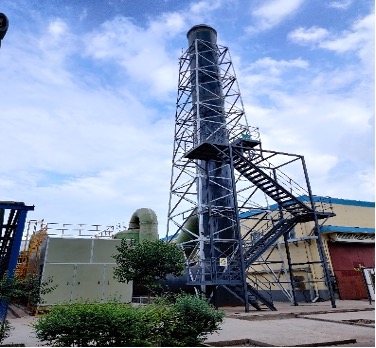
To promote resource conservation, the Group organizes projects to carry out technological transformations based on their own production conditions in order to reduce the consumption of various resources during the manufacturing process. By installing hose pumps and powder pumps at the kiln head, Yichang Branch solved the problem of material transportation and reduced production consumption. The Xuzhou Pingfu Branch installed a steam pipeline to the crusher to ensure the safety of general material crushing, and appropriately replaced the more expensive nitrogen crushing, effectively lowering the project operating costs. Shaanxi Branch altered the packaging method of TV screen glass, resulting in the use of fewer tons of packaging and the promotion of resource conservation.
In order to improve the efficiency of resource use and process disposal, the Group’s Yichang Project has carried out a process transformation plan, which includes installing fire-proof cover plates for the incineration area of the material pit, adding reclaimed water reuse pipelines for sewage disposal, changing the PVC pipes to carbon steel pipes to achieve incineration use to reduce the difficulty of fan inspection in the deodorization system, prolong the useful life of the quench tower spray gun, save the resource use of the process and greatly improve the disposal efficiency.
Shandong Pingfu hazardous waste treatment project was improved and upgraded in terms of technology and management system. In terms of technical improvement, the kiln head incineration of high-sulfur and high-chlorine materials and low calorific value wastewater was strengthened through effective pretreatment means to achieve continuous and stable feeding of incineration waste liquid. In addition, a storage and transportation sorting system was developed in the current year to ensure that materials were unloaded in time when entering the plant. Each barrel and each package must be inspected. The nature of the materials distributed to each disposal workshop was further clarified, greatly enhancing the safety of the disposal process for hazardous waste.
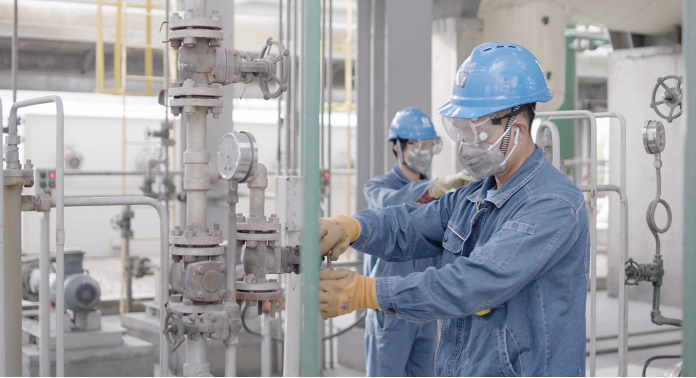
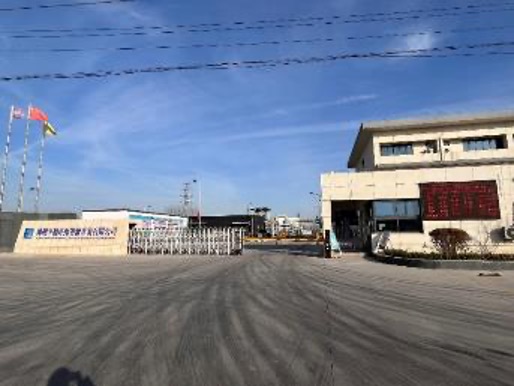
As a project of key pollutant discharge units, the Group has set up standardized automatic monitoring stations and monitoring sampling ports in accordance with technical specifications, purchased and installed automatic monitoring facilities for pollutants and connected with the monitoring platform of the ecological environment department. In order to ensure the normal operation of the automatic monitoring equipment and the authenticity and accuracy of the data, the project entrusts a third-party operation and maintenance company to carry out operation and maintenance in accordance with the technical specifications. At the same time, the pollutant discharge information is disclosed to the public through the electronic display screen installed at the entrance of the factory.
As part of the greening and conservation work in spring, the Quannan Project of the Group carried out pruning and replanting in a reasonable manner, and implemented greening and conservation on bare land and missing seedling areas. To prevent and comprehensively control plant diseases and insect pests, eco-friendly pesticides were used, and nitrogen, phosphate and potassium fertilizers were applied in a rational manner to provide nutrients required by plants, minimizing the negative impact on the environment, striving to promote diversity and stability of vegetation, and creating a more eco-friendly urban landscape.

The Group actively develops resource-based businesses with the goal of achieving as much progressive sublimation of resource recycling and value re-creation as possible. We uphold the concept of recycling in the hazardous waste treatment and environmental hygiene business, use resource based means, research resource-based methods, and promote the green, sustainable, and refined operation of multiple businesses.
The total processing capacity of all recycling projects of the Group has reached 270,000 tons/year. According to the business licenses obtained by the relevant projects, the design treatment capacity of Ningxia Ruiyuan Branch is 200,000 tons/year, that of Chongqing Branch is 50,000 tons/year, and that of Yichang Branch is 20,000 tons/year.
In 2022, the Yichang Recycling Project was completed and put into operation, with a resource utilization capacity of 20,000 tons/year, of which 15,000 tons/year of organosilicon hydrolysis slag and5,000 tons/year of etching solution wastewater. The project in Yichang Hubei Province, the Branch introduced the organosilicon waste recycling module to create economically advantageous products like copper, silicon powder, ferrous sulfate solution, or ferrous chloride solution, which significantly increased the value attribute of the process tailings, significantly improved the company’s benefits, and supported the sustainable development of the company’s business. The Group’s Yichang Resource Recycling Project has achieved 100%recycling of hazardous waste, without generating secondary hazardous waste.

The Group’s project companies vigorously promoted refined production management, and reduced material consumption by improving packaging methods and recycling bulk bags. In 2023, Weifang Project saved procurement costs of RMB50,000 by cleaning and reusing boxes and bulk bags; Jiangxi Project continued to recycle used items, saving bulk bag procurement costs of RMB90,000 by recycling about 5,000 used bulk bags.
The incineration workshop completed a number of energy-saving and consumption-cutting projects, and the actual consumption of natural gas per ton of products was 3.44 cubic meters per ton, which was only one-third of the expected consumption. By improving packaging methods and recycling jumbo bags, a total of 6,900 ton bags was saved and 11,220 ton bags was reused in 2022. Through the implementation of screen glass packaging improvement, Shaanxi Branch can save 1,500 tons bags and recycle 1,200 tons bags for every 100,000CRT televisions disassembled. Every 100,000 sets of waste air conditioners can save 2,000 tons bags, 1,500 ton bags can be saved for every 100,000 waste refrigerators disassembled. The Group practices “eliminating waste and saving resources” with practical actions.

To realize refined and classified domestic garbage recycling treatment, the Group set up a kitchen waste treatment plant with a daily handling capacity of 10 tons in Renhua County as one of the garbage classification projects there. Organic matter in organic waste is microbiologically decomposed into fertilizers, water and carbon dioxide through the kitchen waste and waste liquid treatment equipment. The green organic fertilizer formed by the degradation of fruits and vegetables, kitchen waste and other organic waste under the effect of highly efficient biological agents is rich in organic nitrogen, organic potassium, and other trace elements. The microbial additives and the active enzymes produced in the degradation process can promote plant growth, revitalize the soil and improve soil quality, and increase the efficiency of fertilizer utilization, representing an excellent practice of turning waste into treasure.