Beijing Enterprises Urban Resources Group Limited(listed on the Hong Kong Stock Exchange, stock code: 3718, referred as the “BEUR”,or the “Group”) The Group is principally engaged in urban services, hazardous waste treatment business and waste electrical and electronic equipment treatment business.
Beijing Enterprises Urban Resources Group Limited is a leading urban service provider and hazardous waste treatment operator in China, headquartered in Beijing. Its business footprint covers 26 provinces, municipalities and autonomous regions, as well as one special administrative region nationwide, with a workforce of more than 60,000 employees.
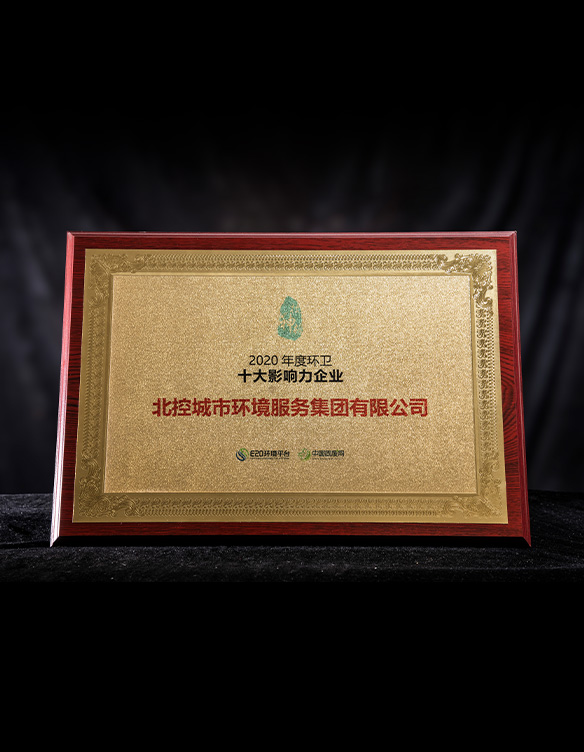
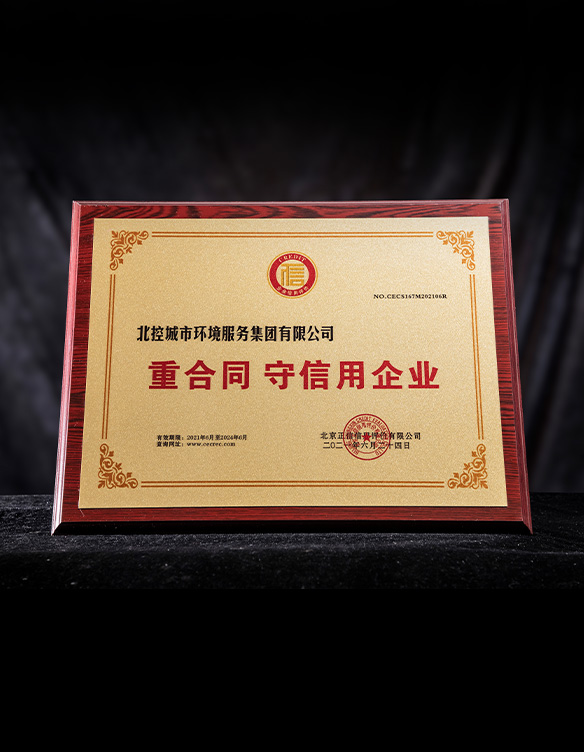
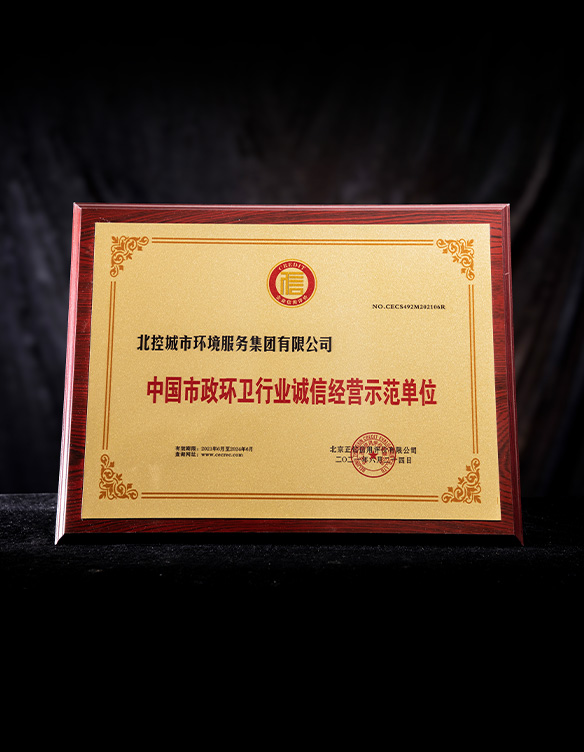
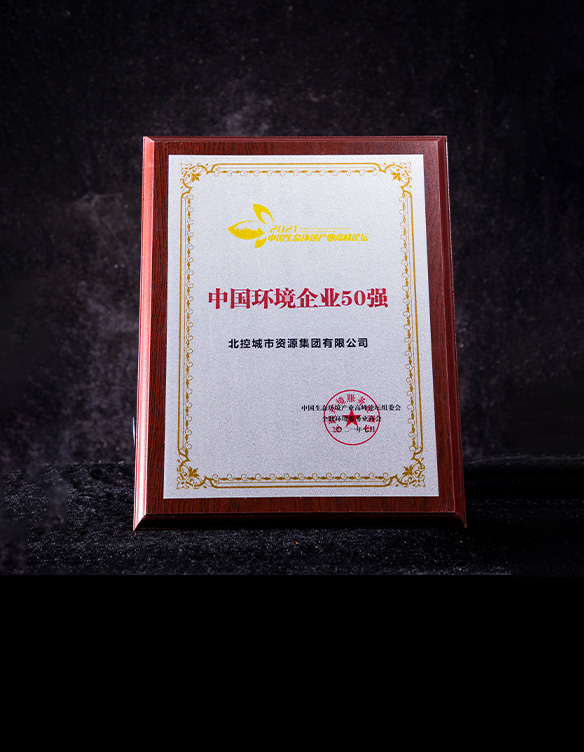
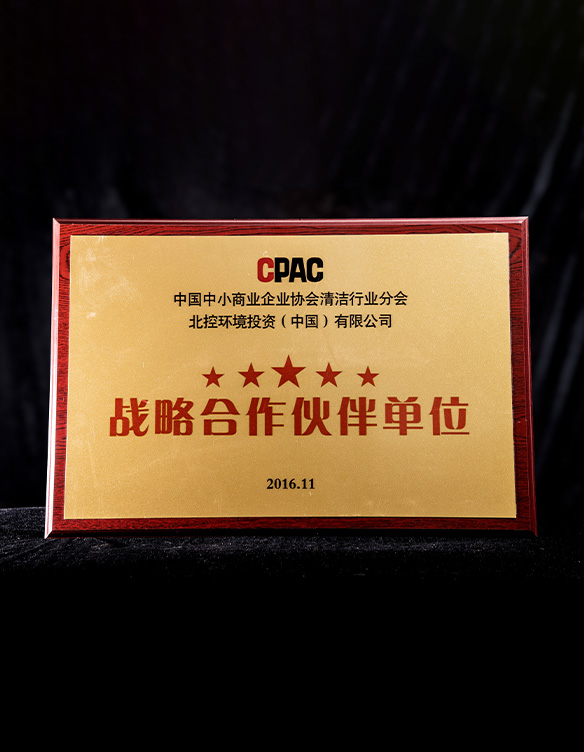
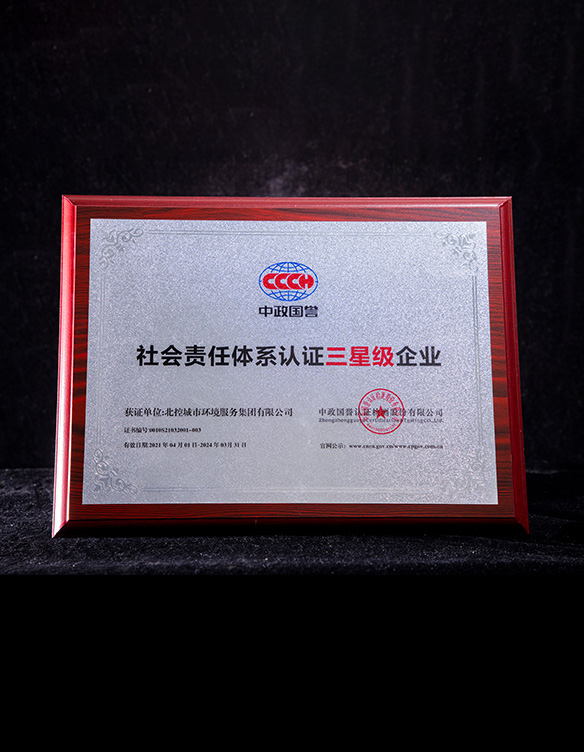
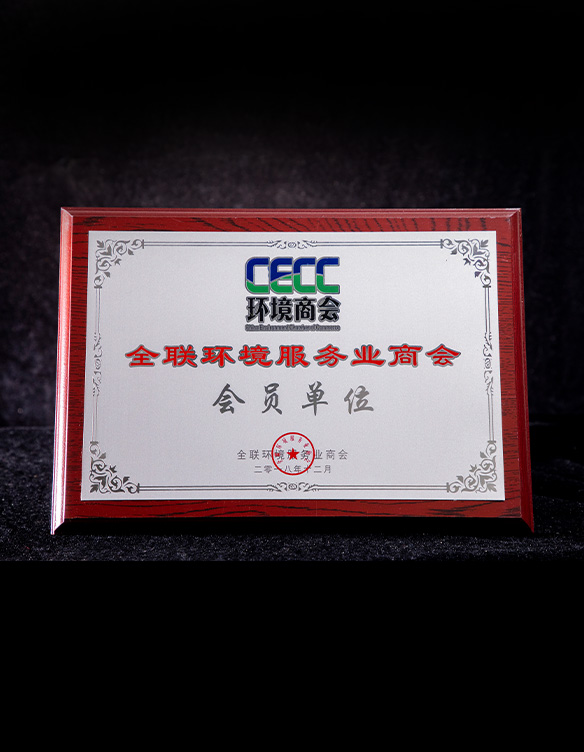
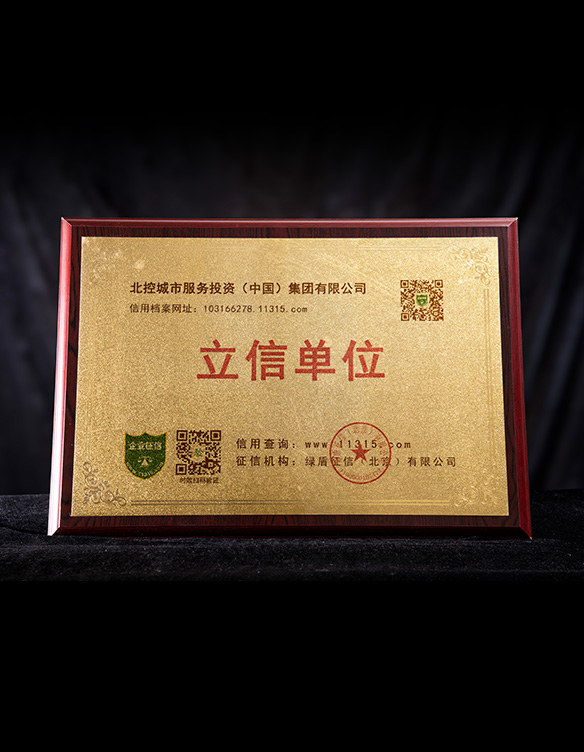
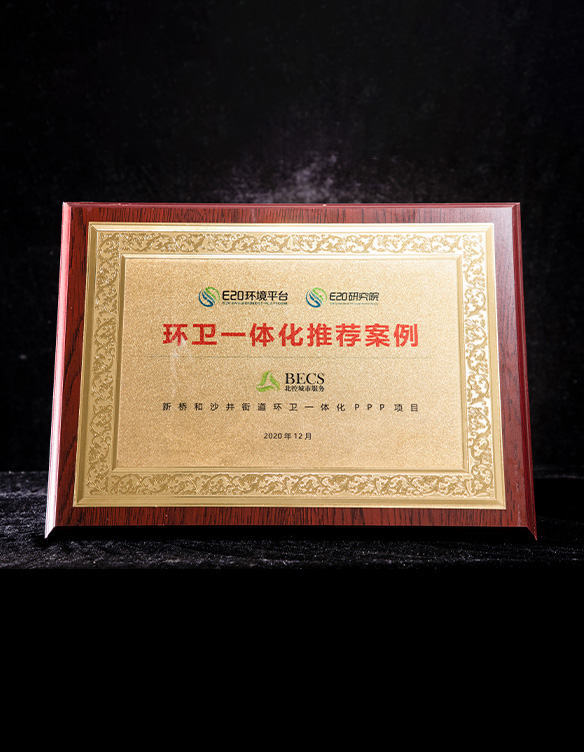
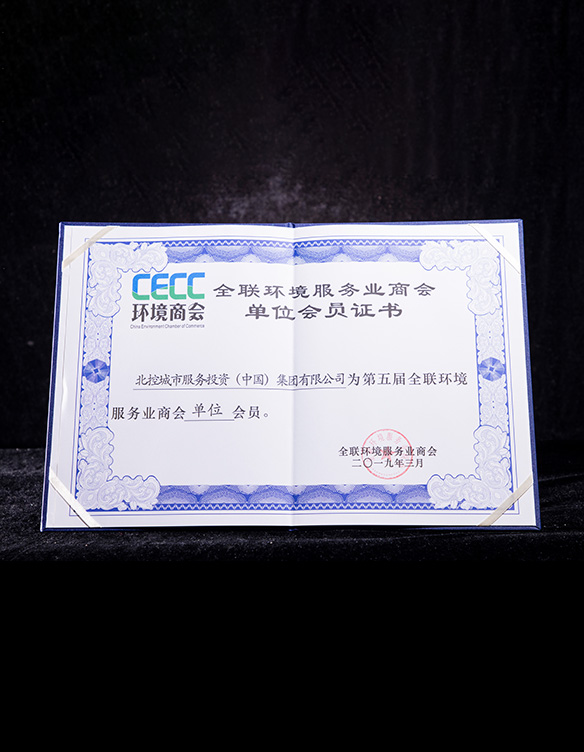
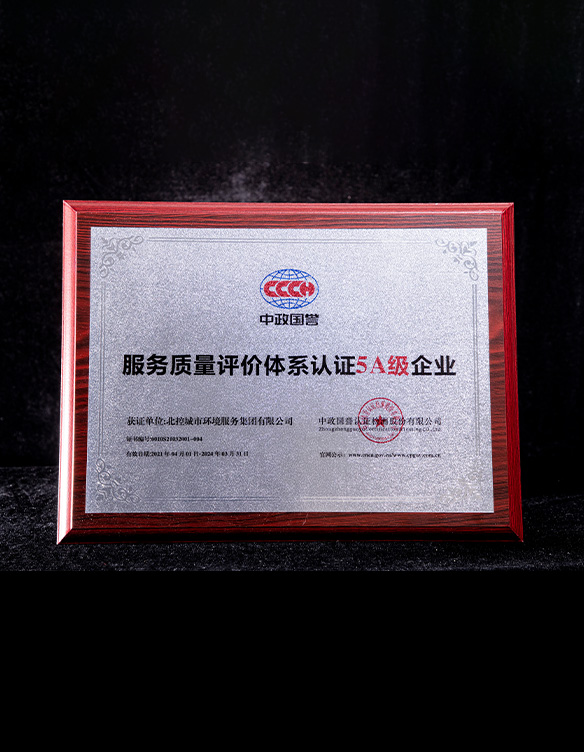
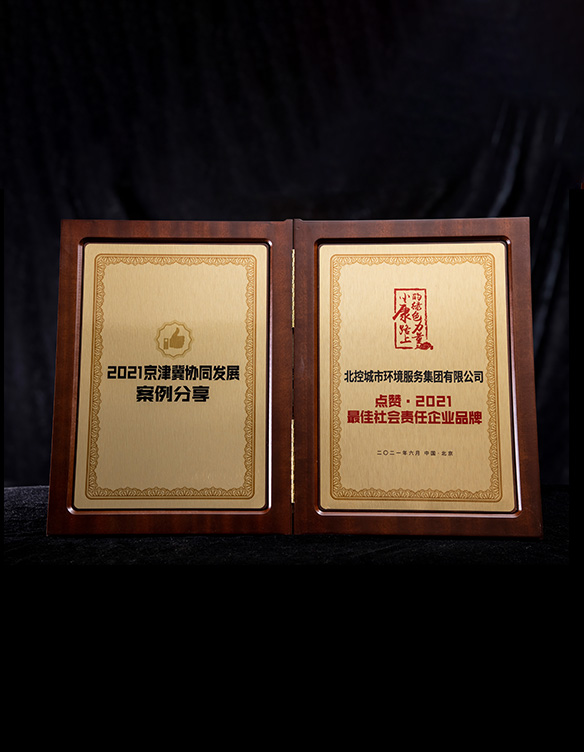
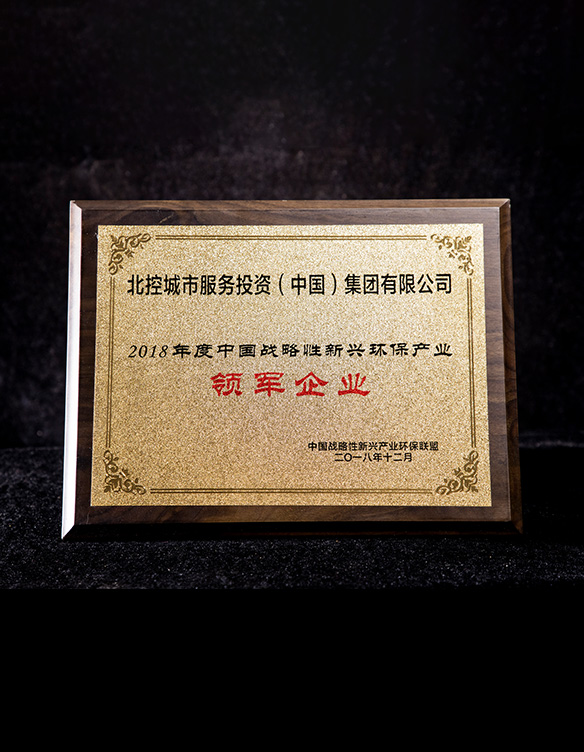
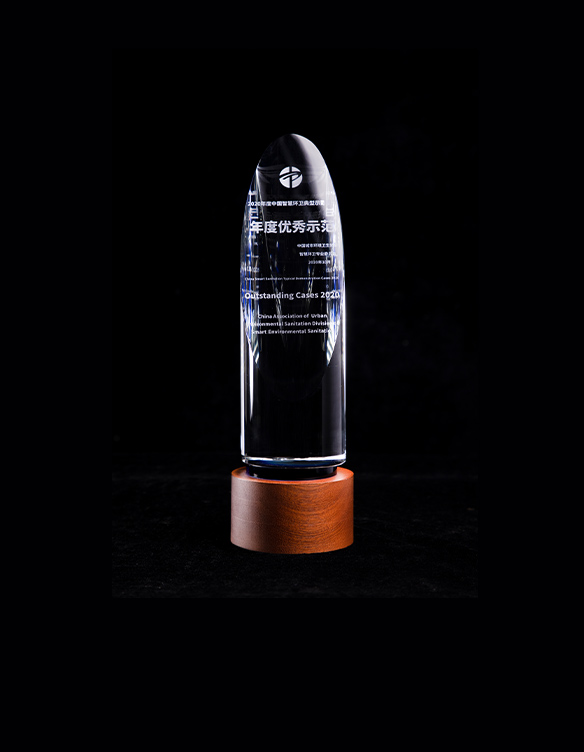
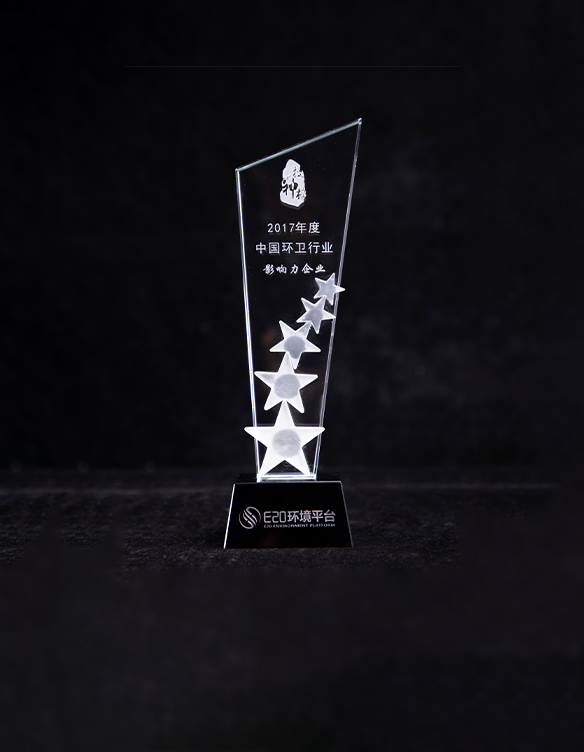
It has received honors including the "China Clean Industry Contribution Award" and "Top Ten Famous Brands in China's Clean Industry," and has been consistently ranked among the "Top 10 Influential Enterprises in Urban Services" and "Top 50 Environmental Enterprises in China" for consecutive years. The Group has also earned multiple awards in emerging technology fields, such as autonomous driving pilot programs and AI environmental hygiene competitions. Several regional projects have received local commendations as well, further strengthening its brand reputation and social value.
Building on our strengths in branding, capital, technology, and operational management, we remain dedicated to our corporate mission of “Making our living environment better”. We are committed to delivering high-quality services, pursuing continuous management innovation and maintaining sound business operations. As we pursue steady growth, we actively fulfill our social responsibilities and contribute to building a better ecological and social environment.
URBAN SERVICES
Urban services refer to services in relation to environmental hygiene maintenance and management, such as road cleaning, garbage collection and transportation, garbage transportation station management, public toilet management and other services. Generally, the Group utilises existing public facilities, including garbage transportation stations and public toilets, to provide comprehensive urban services. The Group’s urban services primarily cover comprehensive road cleaning, garbage sorting, garbage collection and transportation, garbage transportation station management, public toilet management, manure collection and transportation, greenway maintenance, river cleaning services and property management services, and other Urban environmental governance services.
The Group actively explores the deep integration of technology and business. During the year, it conducted multiscenario technical validation of the “human-robot collaboration” operational model, covering core processes such as road sweeping and garbage collection and transportation. By introducing intelligent equipment, the Group has created a safer and more efficient working environment for frontline employees while improving operational efficiency. Such exploration lays the foundation for future large-scale application and also reflects the strategic direction of the Group’s technology-driven business upgrading.
In urban services, we leverage our expertise in specialized and precision operations to deliver end-to-end environmental and sustainability solutions for cities and rural areas. Central to this effort is our “Urban Butler Integrated Service” model, which systematically incorporates professional environmental sanitation into a modern urban service system. By the end of 2025, we had secured 44 new urban service projects through public bidding and managed a cumulative total of 251 urban service projects, covering approximately 374 million square meters of roads, about 105 million square meters of water areas, and 49.48 million square meters of green space maintenance area, forming a “Three-in-One” (i.e., production, life, ecology) urban development model. In the field of garbage collection, transportation and disposal services, our daily collection and transportation volume reaches about 29,000 tons, with 496 transfer stations and 10 landfills. By optimizing core business capabilities and integrating professional resources, we continuously adapt to and meet the development needs of urban services in the new era.
HAZARDOUS WASTE TREATMENT BUSINESS
Hazardous waste treatment business comprises the provision of hazard-free waste disposal services and sale of recycling and reuse products. Disposal is mainly used for waste for which no other proper treatment methods are available. Hazard-free waste disposal aims to eliminate or minimize negative effect that hazardous waste may have on the environment. Landfill and incineration are two of the most common treatment methods for solid hazardous waste. For liquid hazardous waste, common treatment methods include flocculation and purification. Before being disposed of, hazardous waste needs to undergo certain pretreatment methods based on its nature. Common pretreatment methods include physical-chemical and solidification or stabilization. As part of its hazard-free waste disposal services, the Group processes and safely disposes of hazardous waste for industrial companies and medical institutions and charge them waste treatment fees. The Group’s business mainly cover collection, transportation, storage and disposal of wastes such as medical waste and industrial solid waste. By recycling waste methanol and mixed alcohol acquired by the Group, through its advanced recycling and reuse technology, the Group is able to produce related products such as methanol, ethanol, propanol and butanol and generates revenue from sales of these products. In addition, the reutilization technology also covers the storage, transportation, treatment, dehydration and product separation systems of silicon copper slag and etching solution wastewater, deodorization facilities and related auxiliary facilities. The wet disposal process is used to separate and recycle silicon copper slag.
Within hazardous waste treatment, we align our efforts with national policies and industry developments, consistently working to improve operational efficiency and treatment technologies. Through ongoing process refinements, we strive to elevate the performance and environmental compliance of our treatment facilities. Additionally, we invest in resource recovery technologies to support circular economy and sustainable business growth. By the end of 2025, we had 10 hazardous waste treatment projects in operation. Among these, facilities dedicated to harmless disposal have a designed treatment capacity of 419,716 tons per year, while those specialized in recycling and reuse have a designed capacity of 280,000 tons per year.
WASTE ELECTRICAL AND ELECTRONIC APPLIANCES TREATMENT BUSINESS
The Group’s waste electrical and electronic appliances treatment business mainly procures waste electrical and electronic appliances from local waste electrical and electronic appliances recycling stations. Types of equipment we dismantle include computers, refrigerators, television sets, washing machines and air conditioners. We extract recyclable raw materials such as metals, plastics and glass through professional dismantling and sorting and sell such recycled materials externally. Hazardous waste generated during dismantling is handed over to qualified professional institutions for disposal, thereby achieving closed-loop resource utilization of waste electrical and electronic appliances. We operated another 2 waste electrical and electronic equipment treatment projects, with an approved annual treatment capacity of 2.15 million units.


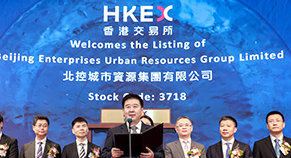
在香港联交所主板正式挂牌上市,股票代码:03718.HK。
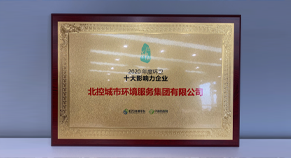
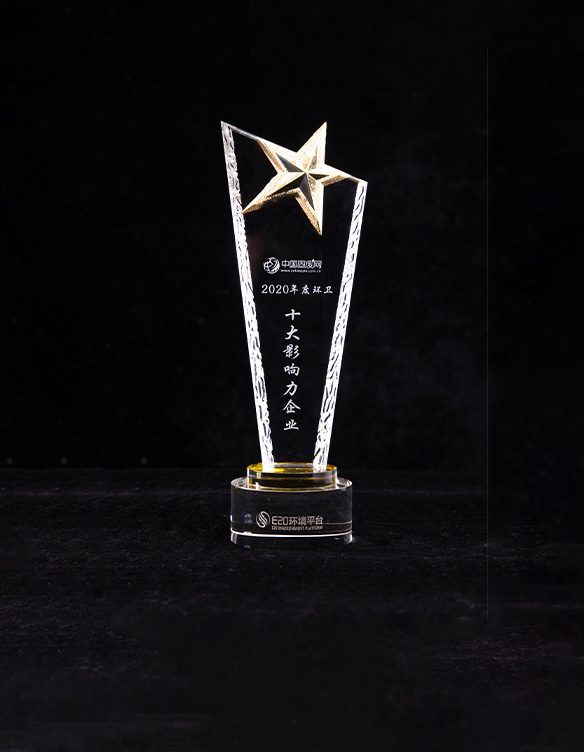
荣获“中国固废网环卫十大影响力企业”,环卫项目合约总价值超过1亿元人民币的项目有51个。

我们营运的环境卫生服务项目产生的年收益逾1,600百万港元。

万光成为北控水务集团的联营公司,收购青岛北控连同若干从事提供危险废物处理服务的项目公司(包括山东平福)。

北控城市服务(中国)成立,我们开始在全国扩展环境卫生业务。

贵港医疗废物成立,开始营运广西贵港北控水务医疗废物处理中心。

贵港环卫成立,开始于广西贵港投资、建设及运营若干垃圾收运站,并从事生活垃圾的运输。
Government Assured, Citizens Satisfied, Enterprise Profitable, Employees Benefited, Partners Win-Together
Being committed, creating value, and sharing with others
Making the living environment better
Becoming a reliable, industry-leading and comprehensive service provider for digital and intelligent urban operation